Research & Guides

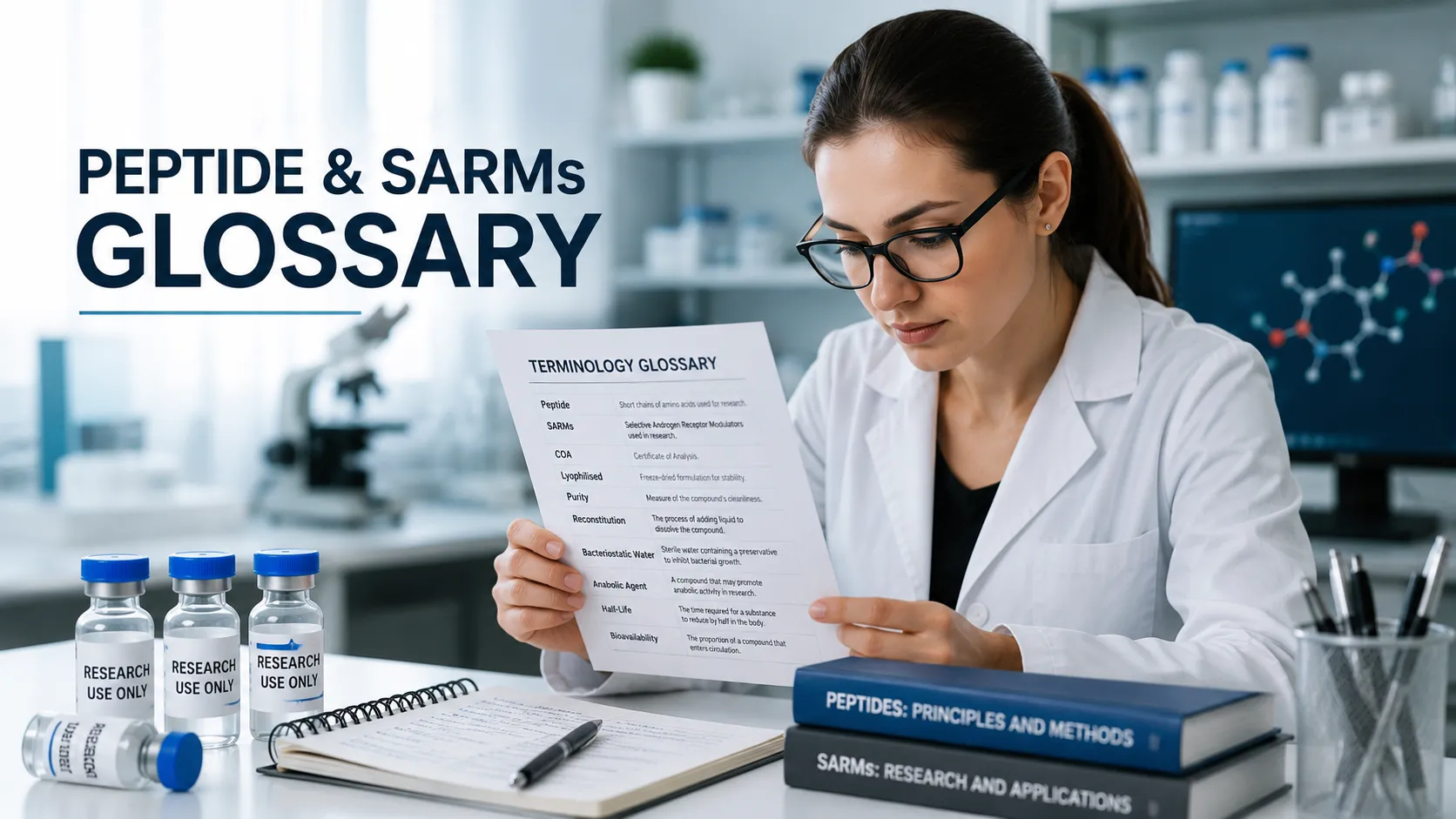
Peptide and SARMs Terminology

Peptide and SARMs Terminology: A Plain-English Glossary

This field is dense with jargon, and much of it is used loosely or inconsistently. Regulatory terms, analytical terms and handling terms all appear side by side, often without explanation, which makes it easy to misread a product page or a certificate. This glossary defines the terms that come up most often, in plain English, […]
Importing Research Compounds into Australia

Importing Research Compounds into Australia: Border Rules and Realities

Few areas of this subject are as widely misunderstood as importation. There is a persistent belief that a personal importation allowance, a research use label, or simply a small order size will carry a shipment safely through the border. The reality in 2026 is considerably harder, and the level of enforcement has risen sharply. This […]

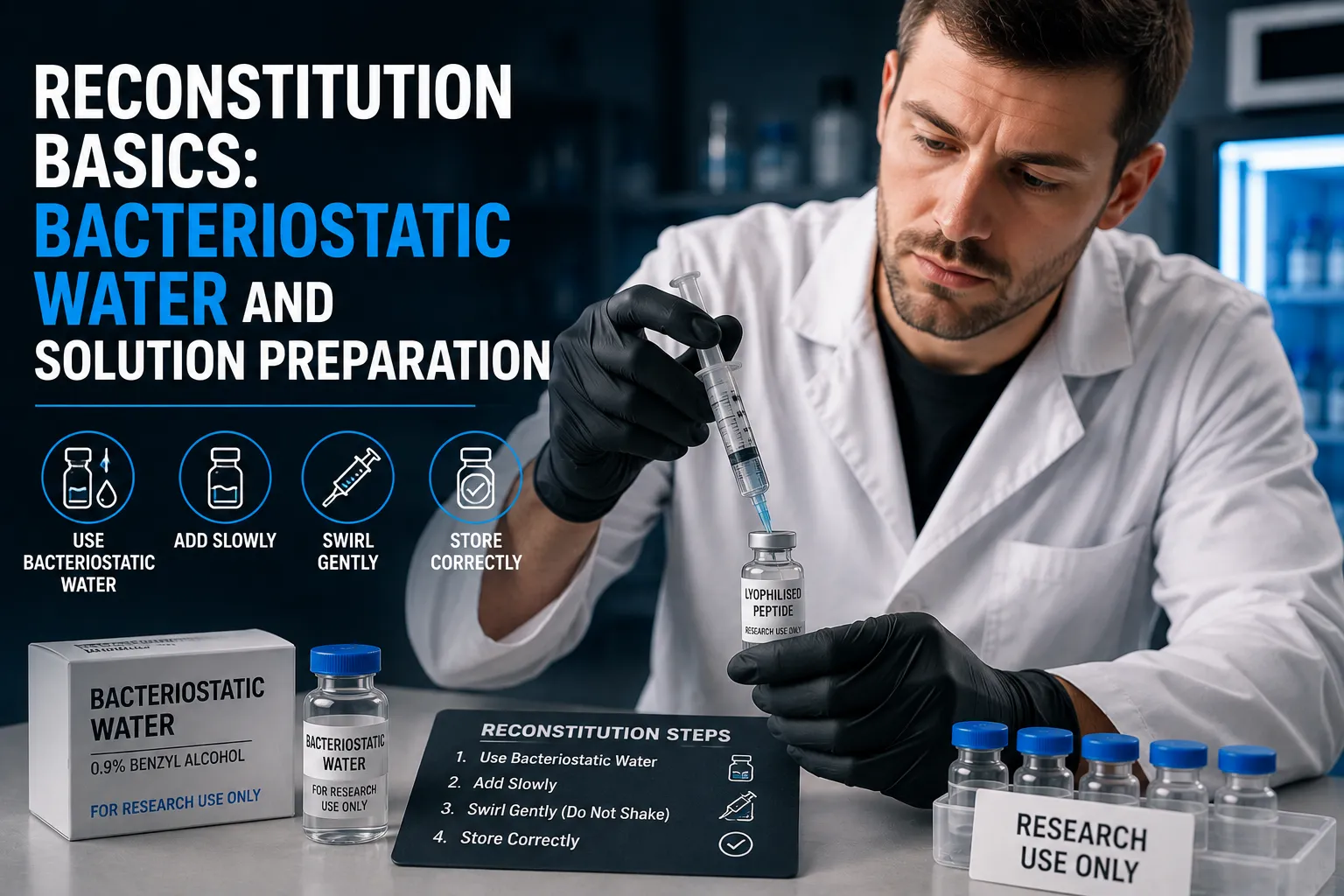
Reconstitution Basics: Bacteriostatic Water and Solution Preparation

Reconstitution Basics: Bacteriostatic Water and Solution Preparation

Reconstitution is the process of returning a lyophilised, freeze dried compound to a liquid state by adding a diluent. It sounds simple, and mechanically it is, but the choices involved have real consequences for the stability and integrity of the material. Understanding what bacteriostatic water is, how it differs from other diluents, and why handling […]

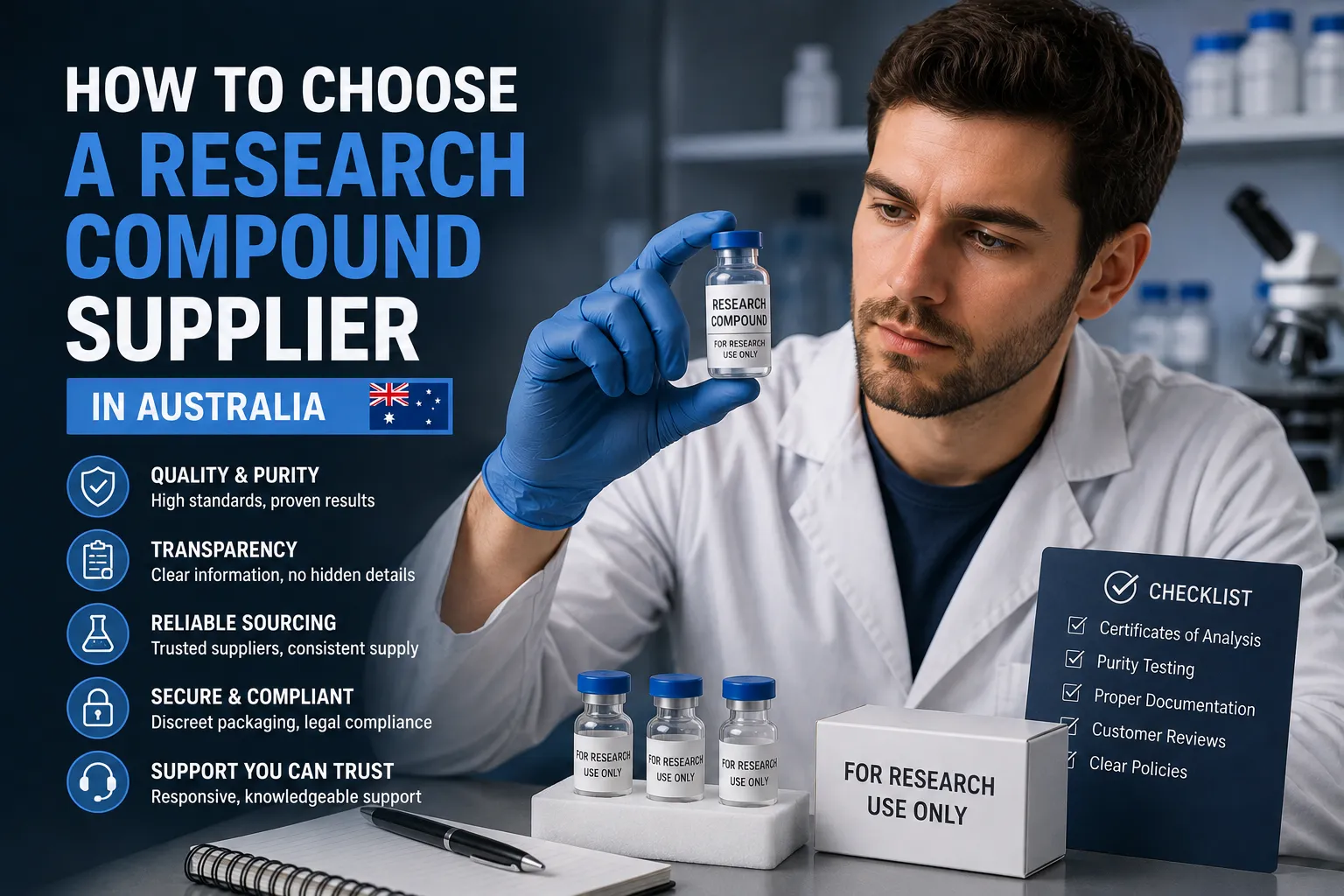
How to Choose a Research Compound Supplier in Australia

In a market where product quality is invisible to the naked eye and documentation can be fabricated, choosing a supplier is largely an exercise in assessing transparency and process rather than judging the product directly. You cannot see purity, sterility or identity by looking at a vial. What you can assess is whether a supplier […]

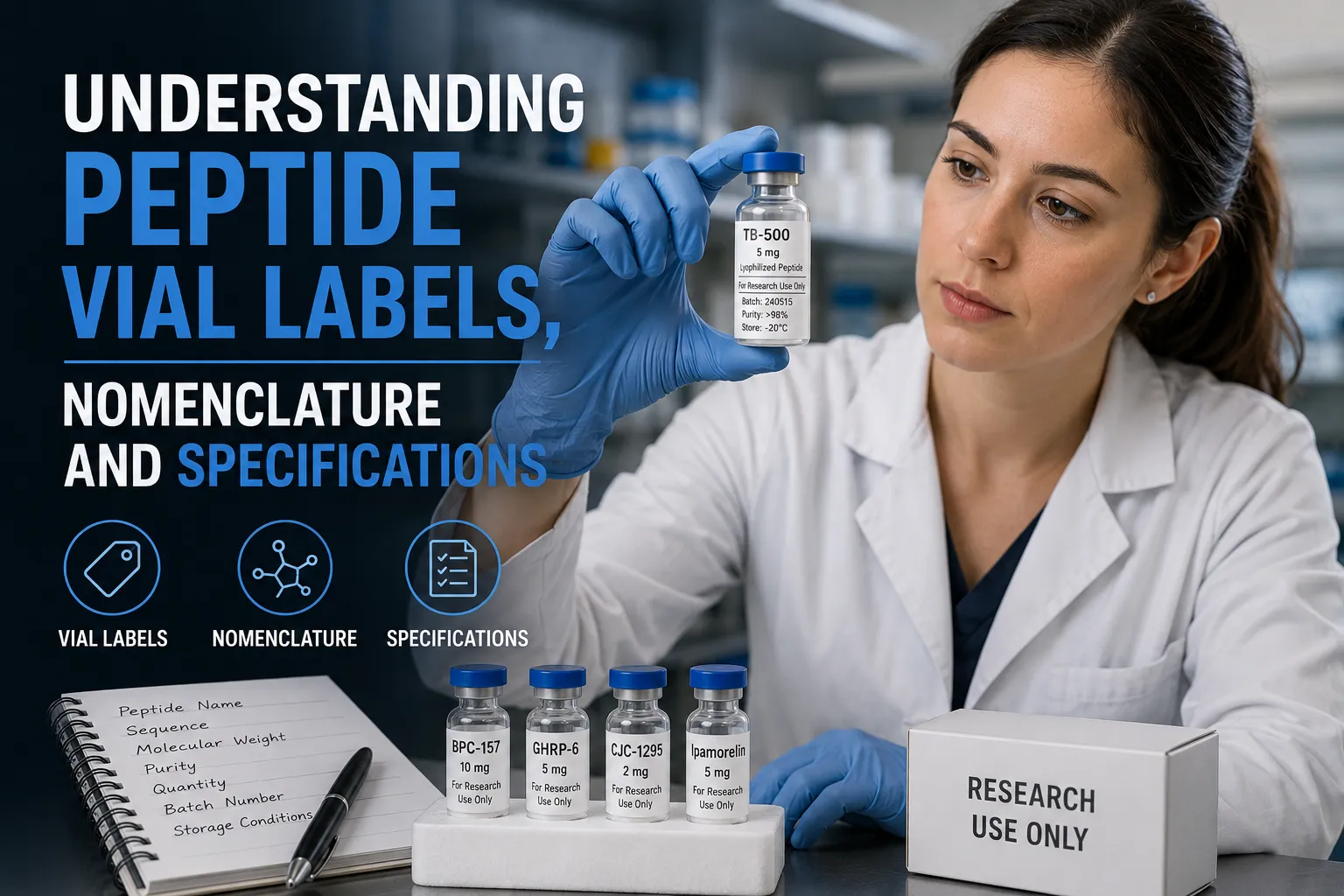
Understanding Peptide Vial Labels, Nomenclature and Specifications

Understanding Peptide Vial Labels, Nomenclature and Specifications

A research peptide vial carries a surprising amount of information in a small space, and reading it correctly is the difference between knowing what you have and merely assuming it. Naming conventions, strength figures, salt forms and batch codes each tell you something specific, and each is a point where a product can be misrepresented. […]

SARMs, Peptides and Anti-Doping

SARMs, Peptides and Anti-Doping: What Australian Athletes Need to Know

For anyone who competes in organised sport in Australia, the anti-doping framework is a separate and serious layer of rules that sits entirely apart from questions of whether a substance is lawful to buy or possess. A compound can be legally obtained and still end a sporting career. This guide explains how SARMs and peptides […]

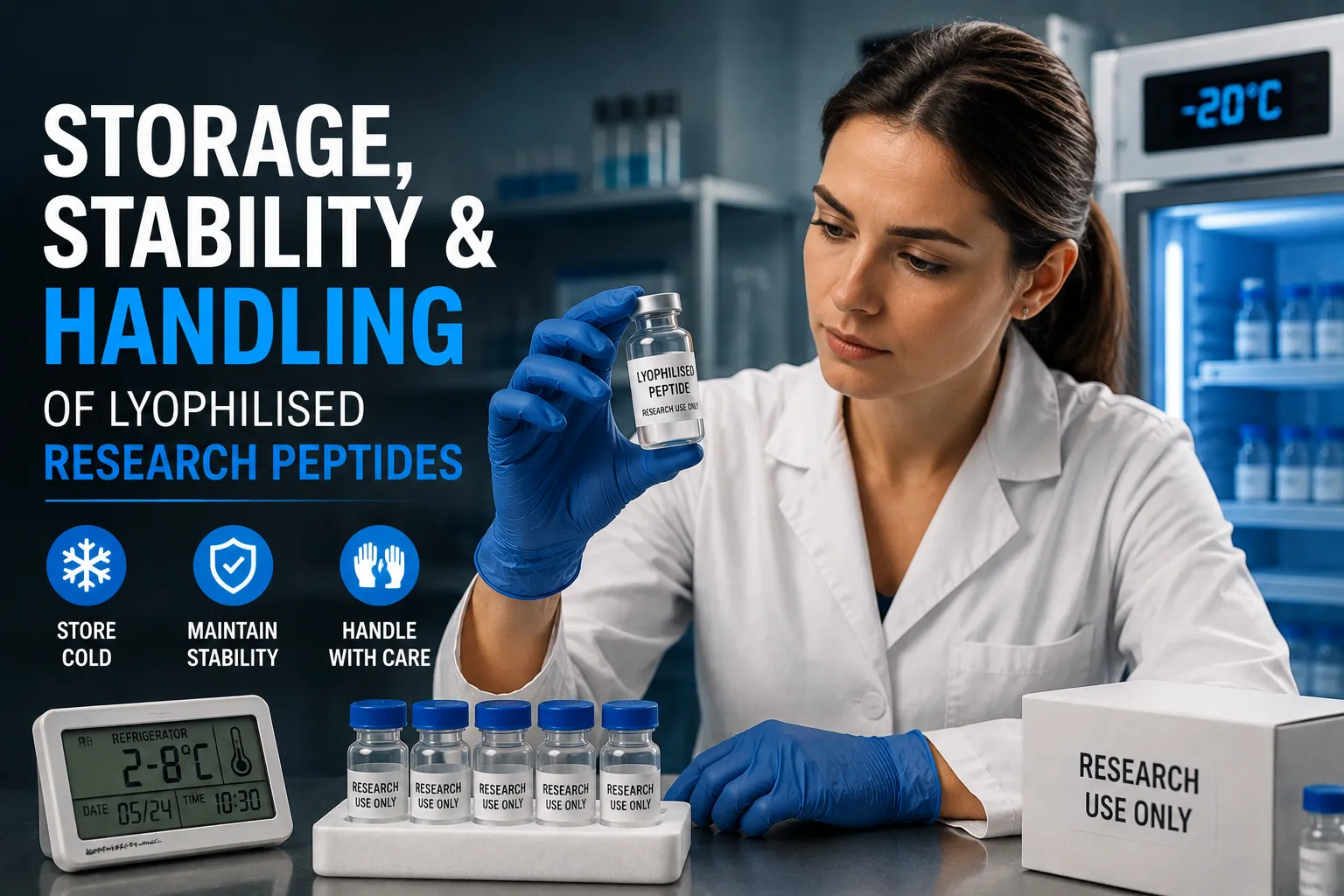
Storage, Stability and Handling of Lyophilised Research Peptides

Storage, Stability and Handling of Lyophilised Research Peptides

Peptides are chemically fragile. A material that arrives at high purity can degrade substantially within weeks if it is stored poorly, and the resulting loss of integrity is often invisible, because the powder looks the same. For anyone handling these compounds in a laboratory setting, storage discipline is not an afterthought. It is what preserves […]

"Research Use Only" Actually Means in Australia

What “Research Use Only” Actually Means in Australia

Almost every supplier of research compounds in Australia uses the same two phrases: “research use only” and “not for human consumption”. These labels appear on product pages, invoices and vial labels. Yet very few buyers understand what those words actually do in a regulatory sense, and the gap between what people assume and what is […]

Are Peptides Legal in Australia

Are Peptides Legal in Australia? The 2026 TGA Position

The legality of peptides in Australia is not a simple yes or no. It depends on which specific peptide you are talking about, whether it has been approved by the regulator, and critically, what it is intended to be used for. This guide sets out the current position as at 2026, including the significant regulatory […]

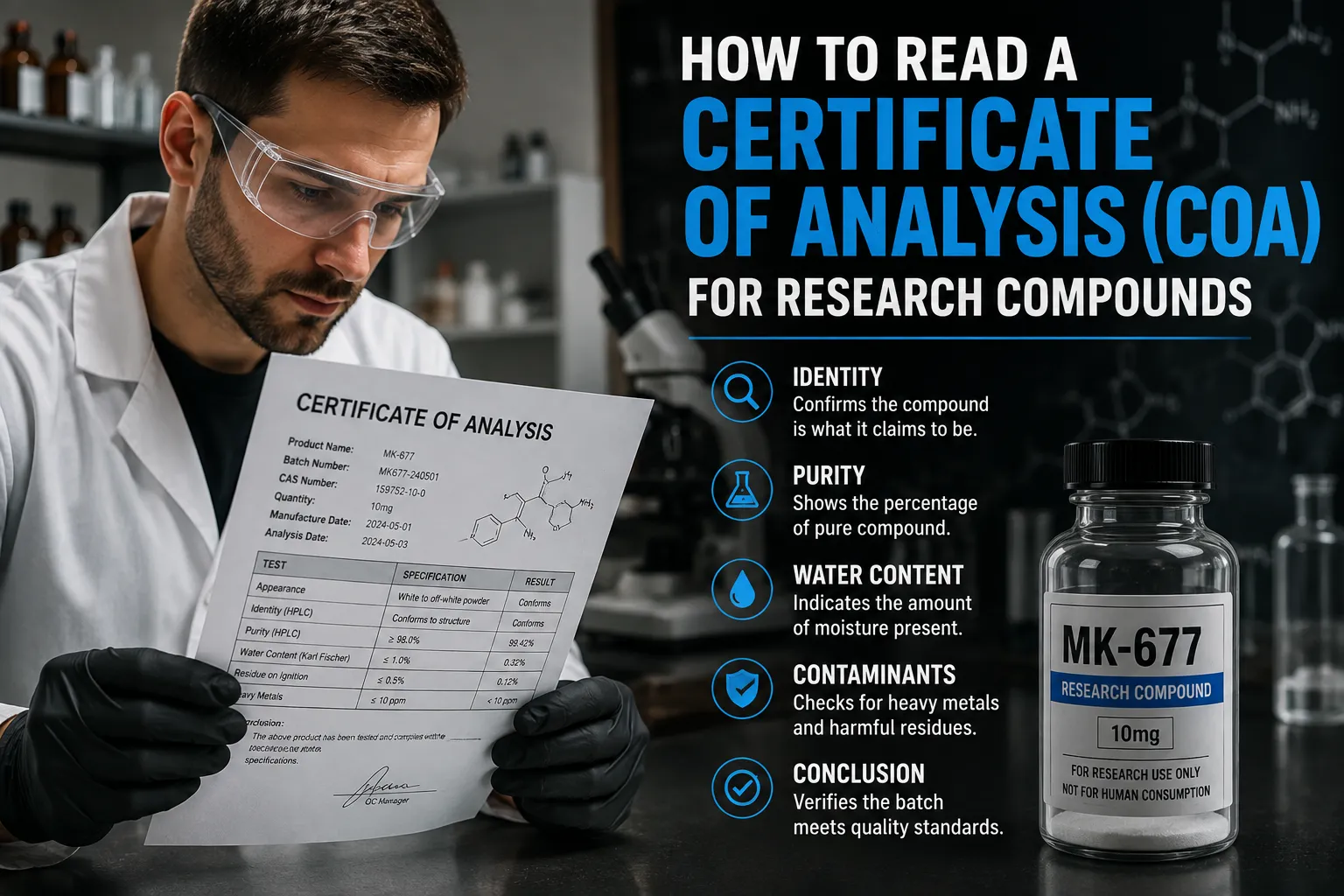
Certificate of Analysis (COA) for Research Compounds

How to Read a Certificate of Analysis (COA) for Research Compounds

A Certificate of Analysis is the single most useful document available when assessing the quality of a research compound. It is also one of the most frequently faked. Learning to read one properly, and to recognise when one is not what it claims to be, is a core skill for anyone working with these materials. […]

Free Express Shipping

Australia-wide on orders over $150

Fast Dispatch

Dispatched within 1 business day

Third-Party Tested

Independent testing on selected products

Secure Checkout

Safe & secure payment processing