
KPV is a small peptide made from just three amino acids. It comes from alpha-MSH (alpha-melanocyte-stimulating hormone), a naturally occurring hormone involved in inflammation, immune activity and skin pigmentation.
KPV appears to retain some of alpha-MSH’s anti-inflammatory activity without producing its pigmentation effects. Researchers are particularly interested in how it affects the signalling pathways that control inflammation and how it interacts with cells in the gut.
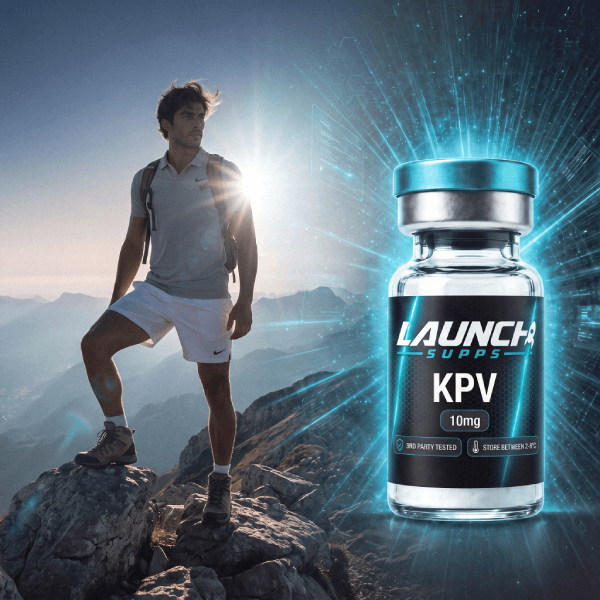
This has led to growing interest in KPV for gut and intestinal inflammation, inflammatory skin problems and other conditions involving an overactive inflammatory response.
KPV Peptide Benefits
Gut & Intestinal Inflammation
This is where most of the interest in
KPV peptide
sits.
- IBS-type symptoms
- Crohn’s disease
- Ulcerative colitis
- Bloating
- Food sensitivities
Skin Inflammation
KPV is also attracting interest for inflammatory skin problems.
- Eczema
- Psoriasis
- Acne
Histamine & Immune Symptoms
Another emerging area of interest within peptide communities.
- Histamine intolerance
- MCAS-type symptoms
- Inflammatory immune responses
What Does the Research Show?
KPV has been studied mainly in laboratory and animal models, with much of the research focused on inflammation in the gut.
Studies have found that KPV can reduce inflammatory activity in intestinal cells and reduce signs of colitis in animal models. Researchers have also investigated ways of delivering KPV directly to inflamed areas of the colon.
Human clinical research on KPV is still very limited, so most of what we know comes from early-stage research rather than large human trials.
KPV Peptide Dosage
The most commonly discussed KPV protocols online fall around 200–500 mcg per day.
Subcutaneous
200–500 mcg once daily, often starting around 200 mcg and increasing toward 500 mcg. Courses of roughly 4–8 weeks are commonly discussed.
Oral
200–500 mcg once or twice daily is frequently discussed, particularly for gut-related goals. Some protocols split the daily amount into two doses.
Higher Doses
You’ll also find considerably higher doses discussed, particularly with oral KPV, although these protocols are much less consistent.
There is currently no established clinical dosage for KPV in humans. These are protocols circulating among peptide users, practitioners and vendors rather than clinically validated dosing recommendations.
Oral KPV vs Injectable KPV
KPV is commonly used either orally or by subcutaneous injection, with the choice often depending on what people are trying to target.
Oral KPV
Particularly popular for gut-related use. Research has shown KPV can be transported into intestinal cells through PepT1 (a system the intestine uses to absorb small peptides).
Injectable KPV
More commonly discussed when people are looking for broader, systemic anti-inflammatory effects rather than specifically targeting the gut.
In practical terms: oral KPV tends to be associated with gut-focused use, while injectable KPV is discussed more for general inflammatory or skin-related goals.
KPV Peptide Side Effects
KPV is generally described as well tolerated by people using it, although experiences vary.
Commonly mentioned side effects:
- Headaches
- Nausea or stomach upset
- Fatigue
- Injection-site irritation
Some users report feeling worse initially when using KPV for gut or inflammatory issues, while many report no noticeable side effects at all.
KPV vs BPC-157
Both peptides are popular for gut health, inflammation and recovery, but they’re generally used for slightly different reasons.
KPV
More focused on inflammation and immune response, including gut inflammation, inflammatory skin problems and histamine-related issues.
BPC-157
More commonly associated with healing and tissue repair, particularly tendon, ligament, muscle and digestive injuries.
Some peptide users combine the two for gut-related issues, with KPV aimed more at inflammation and BPC-157 aimed more at supporting repair.
KPV Peptide FAQs
How long does KPV take to work?
Anecdotal reports vary. Some users describe noticing changes within several days, particularly with gut symptoms, while others use KPV for several weeks before deciding whether it’s doing anything for them.
When is the best time to take KPV?
There doesn’t appear to be a strong consensus. Users report taking it at different times of day, with consistency generally being more common than any particular morning or evening protocol.
Does KPV help with weight loss?
KPV isn’t generally used as a weight-loss peptide. Most interest centres on inflammation, gut health and immune-related issues.
Is KPV used for eczema or psoriasis?
Both are discussed in KPV communities because of KPV’s anti-inflammatory activity. Research in this area is less developed than the research around intestinal inflammation.
Can KPV and BPC-157 be used together?
They’re commonly discussed together, particularly for gut-related issues. KPV is generally used with inflammation in mind, while BPC-157 is more commonly associated with tissue repair and recovery.
KPV Peptide in Australia
Looking for KPV in Australia?
View KPV 10mg →